
About acupuncture
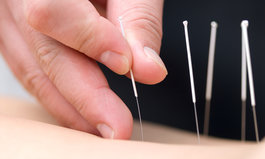
At The Acupuncture Turning Point, Gord Grant takes an adaptive approach to acupuncture that promotes its traditional, big-picture perspective of health within a modern scientific understanding of the body and mind.
Acupuncture’s enduring role
Modern medicine has become extraordinarily powerful at treating disease and injury directly — relieving symptoms, correcting health problems, and saving lives. On the other hand, traditional acupuncture had little of that capacity to intervene directly. It was more about preventing problems and supporting recovery when they occurred. So its focus necessarily developed around recognizing and treating a patient’s particular patterns of health and dysfunction. This attention to background factors is still key to acupuncture’s bigger role today in influencing your susceptibility or capacity to recover.
Acupuncture alongside modern medicine
The strength of this ancient focus was its emphasis on supporting the body’s functions to improve how it responded, adapted, and recovered. Ironically, modern expectations have often become overly focused on the injury or disease and its symptoms, when recovery may also depend on supporting the inherent capacity of the body to heal.
So when practiced this integrated way here at ATP, this means that acupuncture is not simply a “natural” replacement or alternative to drugs or procedures of modern medicine. Rather, its strength historically and still today is to create conditions for improved function so the body can better recover — something that can powerfully complement the best of modern medicine.
Acupuncture can still address symptoms directly, but its distinctive role is also to use special points that address background factors influencing how the body responds, adapts and recovers. How Gord uses these traditional applications has evolved through nearly two decades of clinical experience, integrating what he has learned from patients with a modern understanding of the scientific evidence.
How acupuncture is used at ATP
Acupuncture can be used very directly to treat pain — relaxing tight or over-protective muscles, reducing pain and improving movement and function. It can also be used at the same time in its broader, traditional sense, with points on the arms, legs and elsewhere selected to produce broader physiological effects. These may include regulating the stress response and helping with problems involving sleep, anxiety, headaches, hormonal regulation, and other aspects of health.
How Gord applies acupuncture in your treatment begins with understanding your particular situation. Assessment includes what can be learned through examination, but more importantly, what you already know about your condition and the factors that affect it. Treatment focuses directly on your symptoms, while also addressing other factors that may be important to your progress. As you respond, treatment is adapted along the way.
Read our blogs about acupuncture at ATP and what it can do…
What are the needles like? Are they safe?
The needles are sterile, disposable, and ultra-thin. People experience acupuncture treatments differently, but most feel little or no pain as the needles are inserted. Once inserted, the sensation is often felt as a mild to moderate fullness or tingling, and a general feeling of relaxation and wellbeing.
Sometimes bruising or discomfort is perceived at the needle site after treatment, but significant problems associated with acupuncture are extraordinarily rare. Aside from the 3 years of coursework required in Alberta, registered acupuncturists (R.Ac.) also undergo several hundred hours of practical and clinical training to ensure safe and effective handling of needles.
What pain conditions can acupuncture treat?
- Low Back and Neck Pain
- Knee Osteoarthritis
- Headache and Migraine
- Shoulder dysfunction
- Tennis Elbow
- Carpal Tunnel Syndrome
- TMJ
- Fibromyalgia
- Cancer Pain, Nausea
Can acupuncture treat more than pain?
In addition to treating their primary concerns, people often report additional benefits such as increased energy and vitality, restorative sleep, healthier appetite, greater enjoyment of life, better handling of stressful situations, and an overall sense of well-being.
Stress-related health problems
- Difficulty sleeping
- Hypertension
- Stress, depression, anxiety
- Addictions
- Digestive problems
For more information about acupuncture research visit the Society for Acupuncture Research.
In modern times acupuncture has been validated by scientific research, and continues to evolve as it integrates with modern medicine in complementary and synergistic ways.
Can acupuncture help with reproductive health, labour, and menopause?
Yes! It helps balance many complex metabolic functions of the body, including the neuro-hormonal dimensions of health, since it addresses root constitutional imbalances as opposed to symptoms alone.
- Menopause
- PMS, Subfertility
- Prostatitis, erectile dysfunction
- Labour and delivery (induction, easing pain and duration)
For more information, see our webpage on reproductive health.
Needles not for you? Alternatives like ear seeds, acupressure, and laser acupuncture.
For some people, fear of or sensitivity to needles can prevent them from receiving the assistance of acupuncture for commonly treated problems. At our Edmonton acupuncture clinic, we offer a variety of non-needle options for people who are sensitive to needles. These include acupressure, ear seed therapy, transcutaneous electro-stimulation, and low-level laser stimulation of acupoints. Ear seeds, laser acutherapy, and electrostimulation can all be part of a full 50 minute session.
Ear seed therapy (auricular therapy) is offered when our Edmonton acupuncture community clinics are operating – this is the time you can schedule an ear seed session!
“Low-level laser” therapy is safe, pain-free, and scientifically demonstrated to be effective in stimulating acupoints, decreasing pain & inflammation, and stimulating tissue regeneration.